Cessna Nose Gear Strut Assembly: Aircraft Landing Gear Support and Shock Absorption
Cessna Nose Gear Strut Assembly: Aircraft Landing Gear Support and Shock Absorption
Blog Article
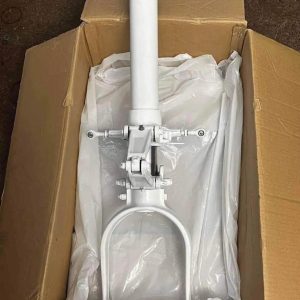
The Cessna Nose Gear Strut Assembly is an important landing-gear component designed to support the forward section of a compatible aircraft during taxiing, takeoff, landing, parking, towing, and routine ground operations.
Whether buyers search for a Cessna Nose Landing Gear Strut, Cessna Nose Gear Assembly, Cessna Landing Gear Strut, or Cessna Nose Strut, exact part identification should guide the purchase.
Clear descriptions help buyers determine whether the listing includes a complete assembly, partial strut, housing, piston, fork, or related hardware.
The Cessna Landing Gear Assembly functions as a coordinated system, while the Aircraft Landing Gear Strut should not be evaluated separately from its mounts, steering, wheel, tire, and surrounding structure.
General Aviation Landing Gear Parts listings should provide exact identification, condition, measurements, records, and included components for professional evaluation.
Why Exact Landing Gear Identification Matters
A unit should not be accepted as compatible solely because it came from an aircraft within the same general Cessna family.
Included items may vary and can involve the strut body, piston, fork, axle, torque links, steering collar, seals, bearings, spacers, hardware, wheel, or tire.
How the Nose Gear Supports the Airframe
The strut must manage those loads without excessive looseness, binding, deformation, leakage, or structural distress.
Professional structural review protects the aircraft and the Replacement Nose Gear installation.
Shock Absorption and Strut Compression
A shock strut is designed to compress and extend in a controlled manner as the aircraft encounters landing and ground loads.
Qualified maintenance supports proper Cessna Nose Gear Shock Absorber operation.
Evaluating Ground Steering Geometry
Correct geometry supports more consistent taxi and landing-roll control.
Excessive turning can damage linkage, hoses, fairings, fork components, or internal strut features depending on the design.
Selecting the Correct Replacement Nose Gear
The buyer should compare the offered unit with current illustrated-parts, maintenance, and installation information.
Supplemental modifications, replacement forks, wheel conversions, tire changes, steering alterations, and airframe repairs can affect compatibility.
Inspecting for Scoring, Pitting, and Wear
The strut cylinder and piston surfaces should be examined for scoring, corrosion, pitting, scratches, impact marks, discoloration, and evidence of improper tool use.
Unauthorized grinding, plating, machining, or surface repair should be disclosed.
Inspecting the Nose Gear Strut for Leaks
The strut should be inspected after cleaning and appropriate servicing to determine whether website leakage returns.
Professional service supports reliable shock absorption and reduced maintenance recurrence.
Maintaining Protective Finishes
Landing gear components are exposed to water, runway contaminants, cleaning products, salt, dirt, chemicals, and changing environmental conditions.
Fastener holes, fork transitions, cylinder ends, and welded or machined areas deserve close attention.
Checking for Hard-Landing or Towing Damage
The absence of obvious damage in photographs does not establish structural integrity.
The seller should disclose the donor aircraft’s removal reason and known incident history.
Inspecting the Cessna Nose Wheel Strut
A complete strut listing should state whether the fork, axle, spacers, wheel, bearings, tire, and hardware are included.
Wheel bearings, seals, spacers, and retaining hardware should be evaluated separately rather than assumed serviceable because they are attached to the assembly.
Preventing Nose Gear Shimmy
Dimensional inspection supports a durable repair.
Lubrication should follow the applicable schedule and use the appropriate product.
Shimmy, Vibration, and Uneven Tire Wear
Replacing the strut assembly alone may not correct the concern if other components remain defective.
Tire condition should be reviewed together with the strut, wheel, fork, axle, and steering components.
Understanding Strut Inflation Procedures
Shock-strut servicing should follow the exact aircraft maintenance procedure for fluid type, quantity, pressure, extension, loading condition, and safety precautions.
Repeated pressure loss should prompt leak investigation rather than continual inflation.
Documenting Landing Gear Repair Work
An overhaul may include complete disassembly, cleaning, dimensional inspection, crack inspection, corrosion evaluation, seal replacement, surface review, reassembly, servicing, and functional checks.
Some components may be repairable while others require replacement.
Pre-Purchase Inspection Checklist
The seller should provide photographs of every side, including the cylinder, piston, fork, axle, torque links, steering features, mounts, hardware, identification markings, and damaged areas.
- Request detailed photographs of the cylinder, piston, chrome surface, fork, axle, mounting areas, torque links, steering collar, bushings, seals, data markings, and included components.
- Inspect or document corrosion, cracks, bends, scoring, pitting, leakage, chrome damage, worn bushings, loose pivots, elongated holes, damaged threads, fork alignment, and previous repairs.
- Inspect and photograph the assembly immediately after delivery before cleaning, servicing, disassembling, repairing, painting, or installing it.
Protecting the Landing Gear Strut in Transit
The chrome or polished piston area should receive protective wrapping that prevents impact and contamination without trapping moisture.
The receiver should inspect the crate for impact, puncture, water exposure, or shifting before opening.
Preventing Corrosion and Seal Damage
Responsible storage preserves the future usefulness of the Cessna Nose Strut.
Identification records, inspection tags, hardware, seals, and supporting documents should remain associated with the correct assembly.
Preparing for Ground-Handling Checks
Incorrect bolts, improvised spacers, damaged threads, or forced alignment should not be accepted.
Fasteners should be installed, tightened, secured, and documented according to applicable procedures.
Any abnormal indication should receive prompt evaluation before further operation.
Protecting Long-Term Ground Handling Reliability
Cleaning should remove dirt and contaminants without damaging seals, polished surfaces, protective coatings, or identification markings.
The nose gear should receive additional inspection after a hard landing, runway excursion, towing incident, tire failure, severe shimmy, obstacle strike, or abnormal ground handling event.
Buying a Replacement Landing Gear Strut
The commercial value of a Cessna Nose Gear Strut Assembly depends on exact identification, aircraft applicability, completeness, physical condition, corrosion status, leakage, repair history, overhaul records, included hardware, and documentation.
Total project cost may include the purchase price, freight, inspection, seals, bushings, bearings, hardware, wheel or tire components, overhaul labor, servicing, alignment, installation, and documentation.
Choosing the Cessna Nose Gear Strut Assembly
For a properly matched Cessna aircraft, the assembly can support dependable ground handling when professionally inspected, serviced, installed, and maintained.
Buyers should request current photographs, accurate measurements, transparent condition information, professional inspection details, protected freight arrangements, secure transaction terms, and qualified maintenance review.
Whether the product is described as a Cessna Nose Gear Shock Absorber, Cessna Landing Gear Assembly, Aircraft Landing Gear Strut, or Cessna Nose Wheel Strut, aircraft-specific compatibility remains essential.
With prompt attention to leakage, scoring, corrosion, shimmy, tire wear, loose bushings, steering play, impact events, and abnormal compression, the installation can preserve its operating potential.
Report this page